Comparative sensory morphology
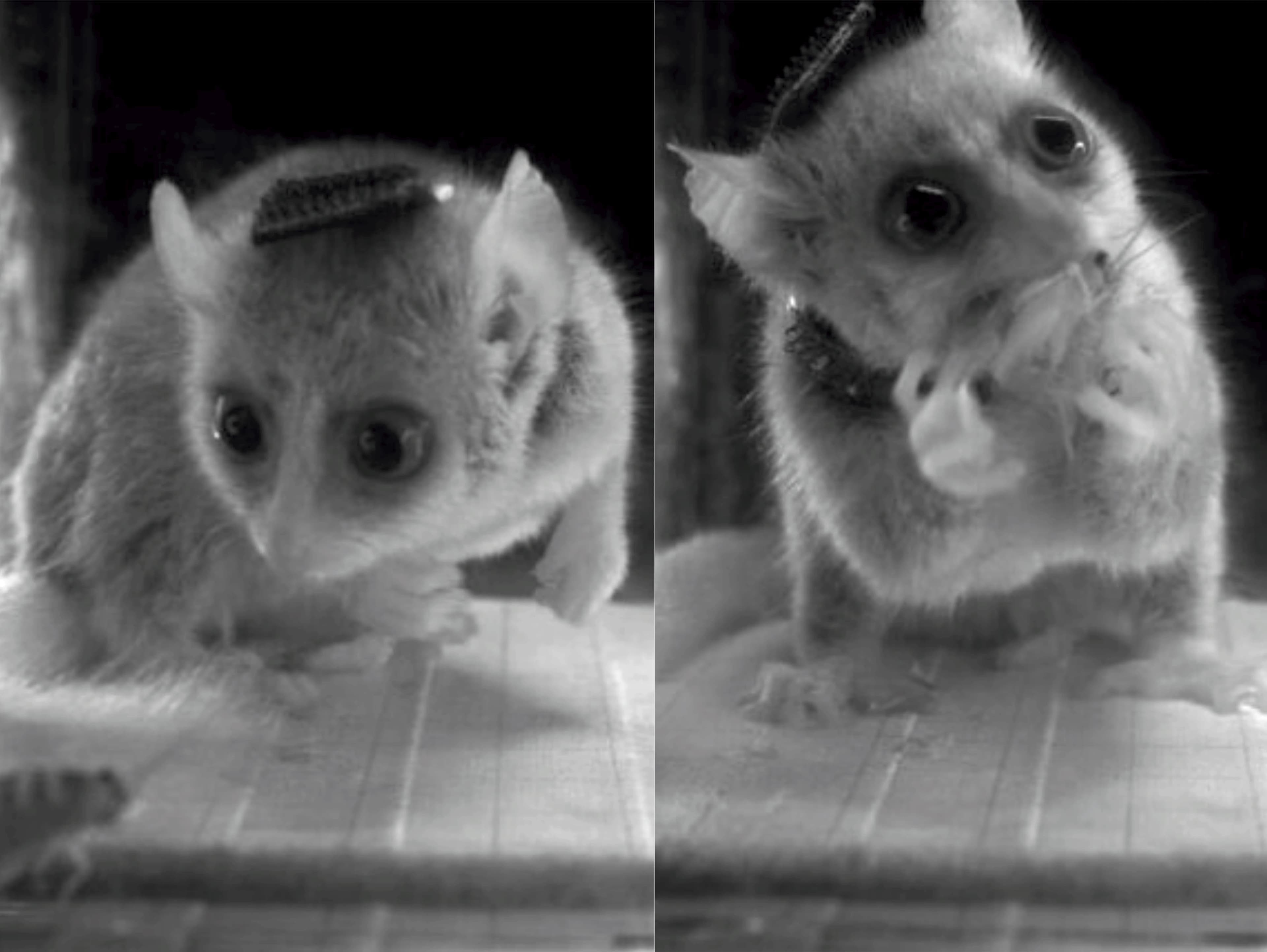
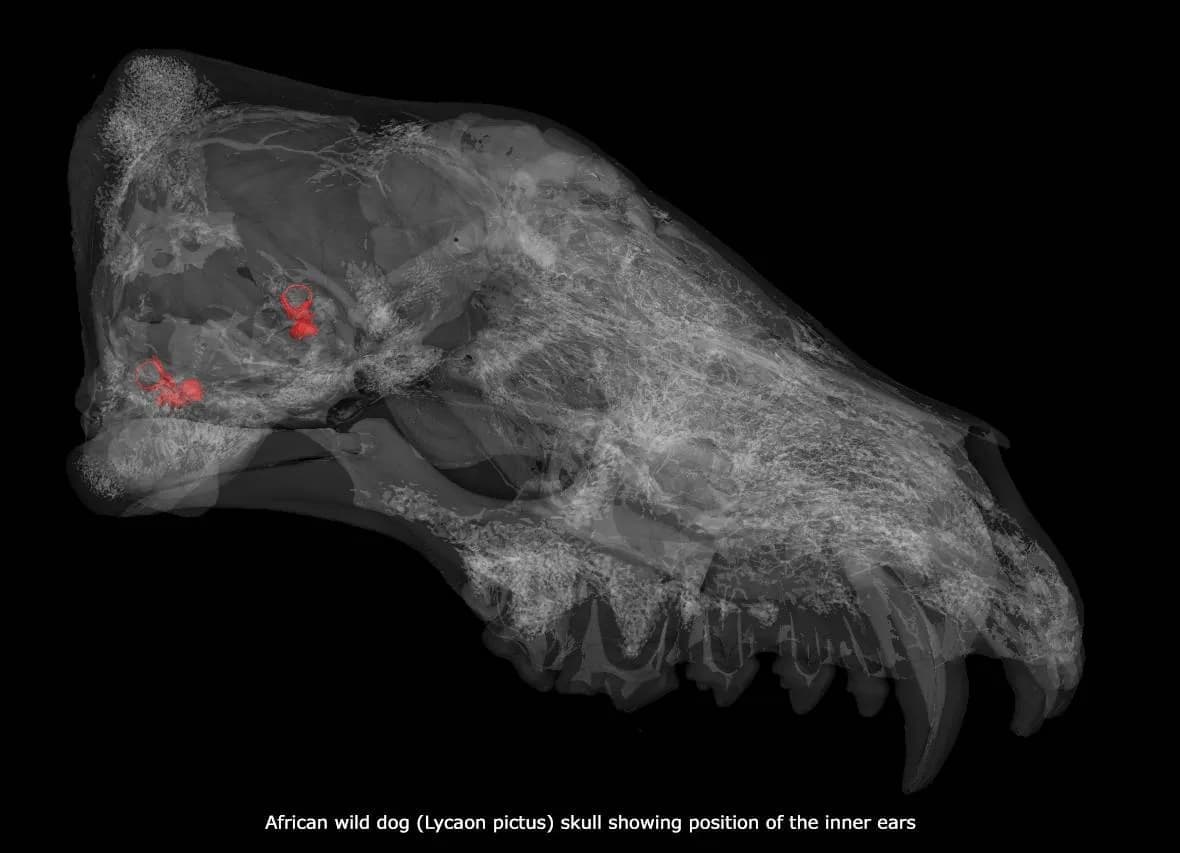
Comparative analyses of sensory anatomy in ecologically diverse living species are used to understand how sensory systems change in relation to shifts in ecological factors such as diet, activity pattern, and locomotor mode. These relationships in living animals are then used to reconstruct sensory abilities in fossil specimens, providing a complementary perspective on how sensory systems have changed throughout the fossil record. Current focus is on relationships between the visual system and the vestibular system of the inner ear that helps stabilize the eyes and prevent visual image blur as we move.
Sensory adaptations and ecological function
I use experimental work with living animals to determine how sensory adaptations affect performance in locomotion, predation and other ecologically important tasks. My current work aims to understand the functional roles of early primate visual adaptations through work with tree shrews, species that are closely related to primates but lack the majority of their distinctive visual features.